Teaching blending effectively is essential for developing reading skills and can be achieved through a variety of methodologies.
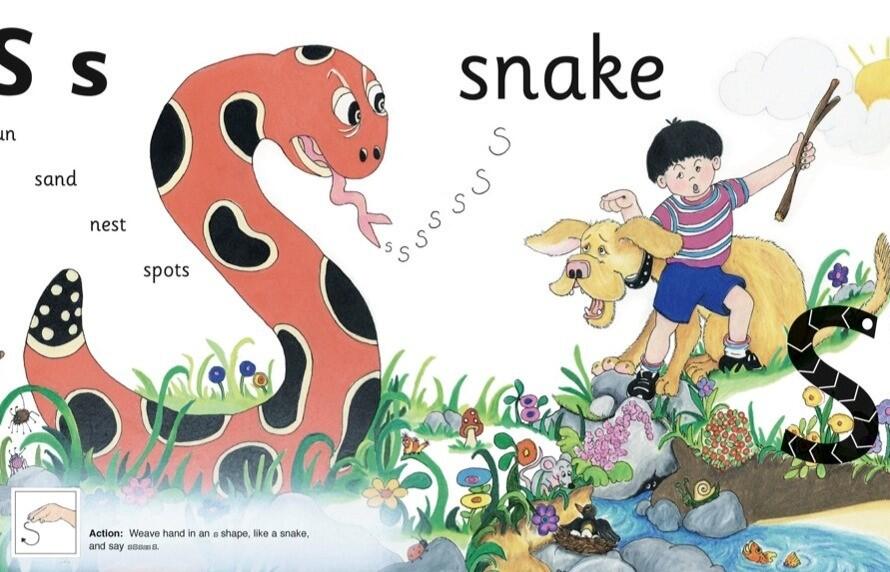
First, incorporating phonemic awareness activities, such as sound isolation and segmentation, helps students identify individual sounds in words and blend them back together. Using visual aids, like phoneme cards and word mapping, can further enhance understanding by providing a visual representation of how sounds combine to form words.
Multi-sensory approaches, including tactile activities with sandpaper letters or sound boxes where students push a marker for each sound, engage different learning styles.
Modeling blending through clear pronunciation, followed by guided practice in pairs, allows for hands-on learning.
Incorporating games and interactive activities, such as “I Spy” with sounds or sound bingo, makes the learning process fun and engaging. Utilizing decodable texts helps students practice blending in context, while regular reviews and progress monitoring ensure consistent reinforcement of skills.
By combining these strategies, teachers can create a comprehensive approach that caters to various learning styles, making blending more engaging and effective for students.